




请给我们留言
隐私声明:您的隐私对我们非常重要。我公司承诺未经您的明确许可,不会向任何外部公司披露您的个人信息。
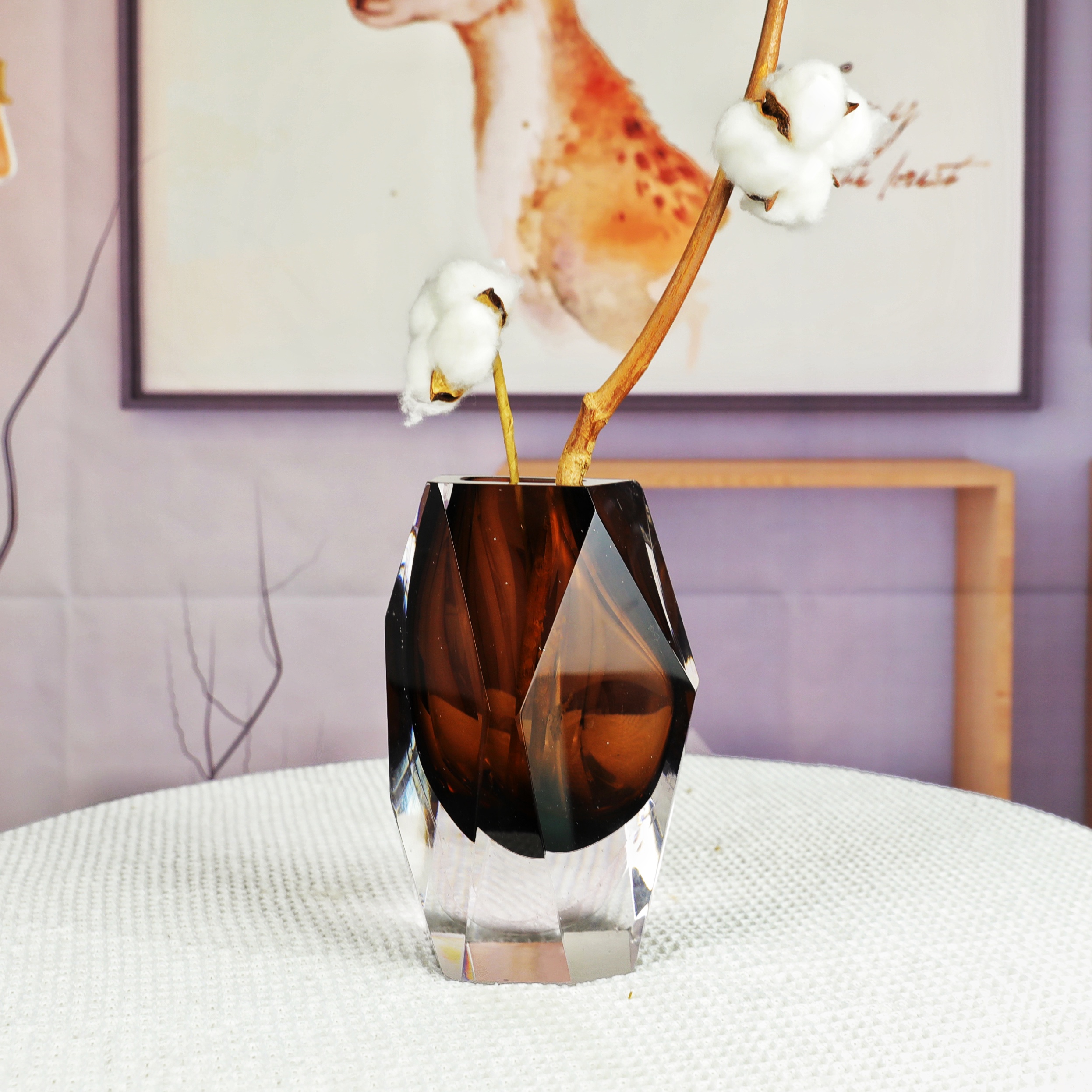
The Process and Application of Flow Glaze Effect on Glass Vases
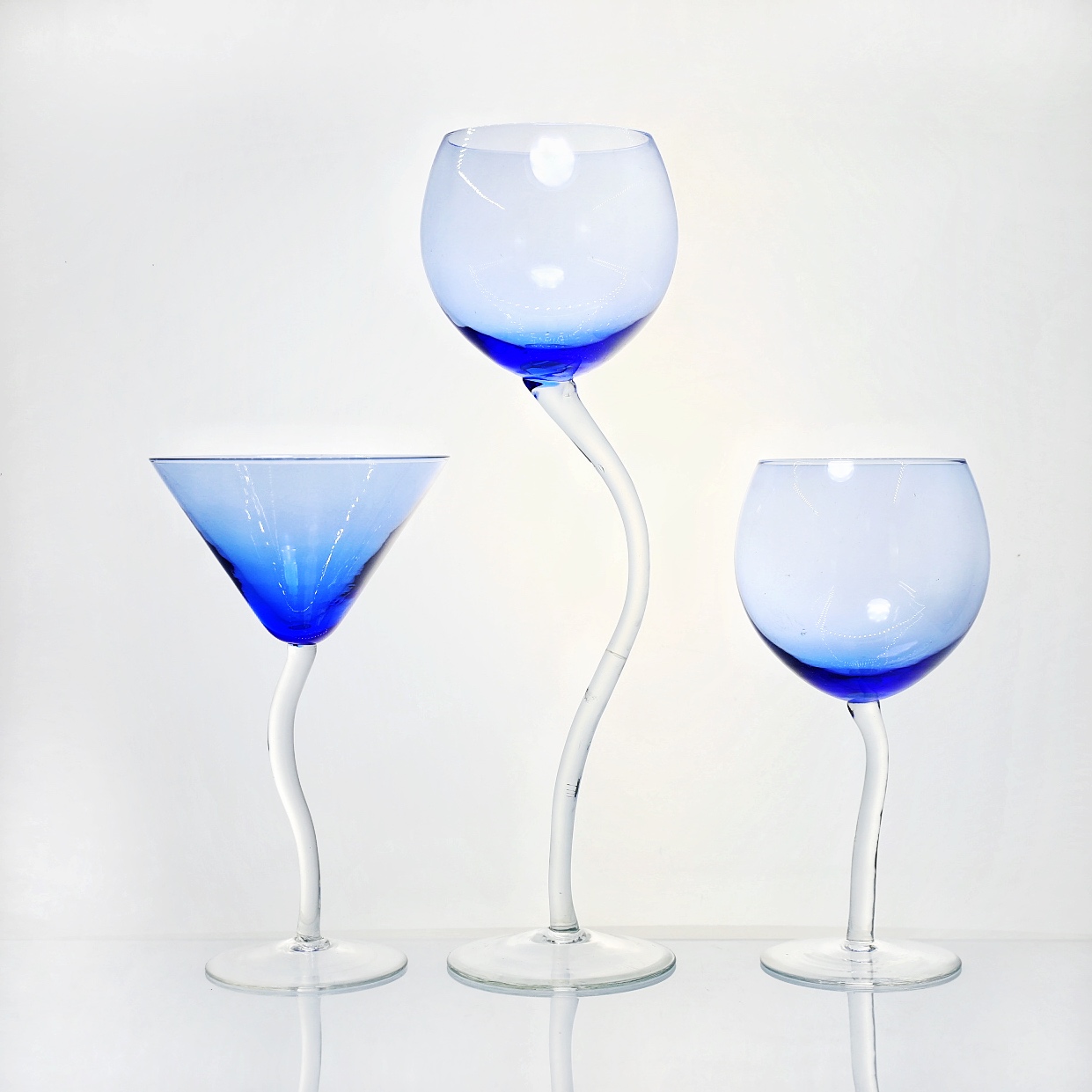
The flow glaze effect refers to the formation of a smooth, rich color variation on the surface of glass products, resembling flowing water. This effect enhances the visual appeal of glass items, adding an artistic touch. Flow glaze technology can add unique aesthetic value to vases and is widely used in various home decor, artworks, and gifts
Preparation of Raw Materials:
First, suitable glass raw materials must be selected. Common materials include silica sand and soda ash. To achieve the flow glaze effect, pigments and fluxing agents are also added.
Melting the Glass:
The prepared raw materials are placed in a glass melting furnace and heated to a high temperature, usually between 1400°C to 1600°C. During this process, the glass transforms into a viscous liquid.
Adding Pigments:
To achieve the flow glaze effect, manufacturers add special pigments to the molten glass. These pigments can remain stable at high temperatures and exhibit beautiful color changes.
Shaping:
The mixed glass liquid is then poured into molds, typically using blowing, pressing, or casting methods. Different shaping techniques will affect the final product's shape and color distribution.
Flow Glaze Treatment:
At this stage, the flow glaze effect is created by controlling the temperature, time, and movement of the glass liquid. This is typically achieved by tilting the mold, shaking it, or using other techniques to manipulate the glass's flow.
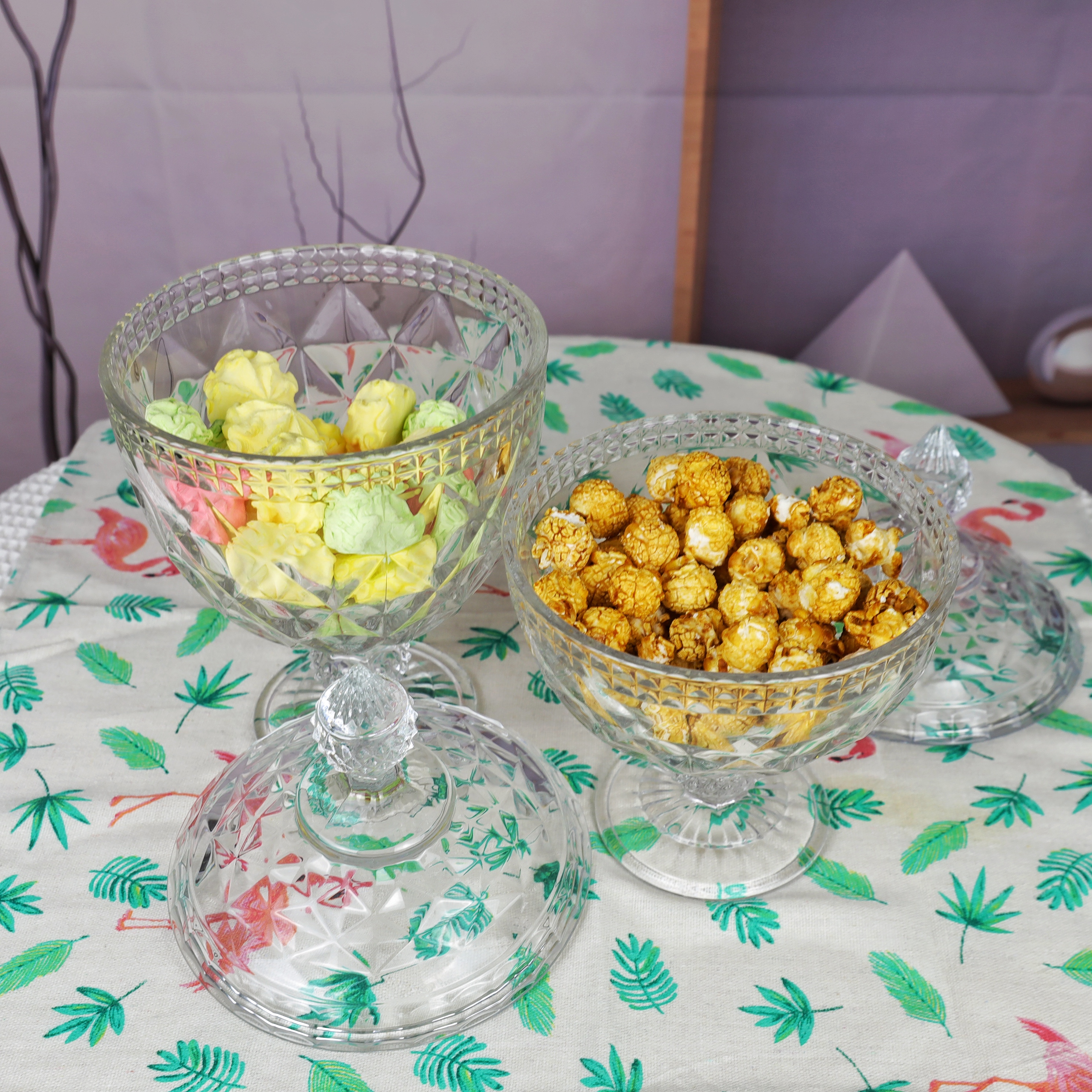
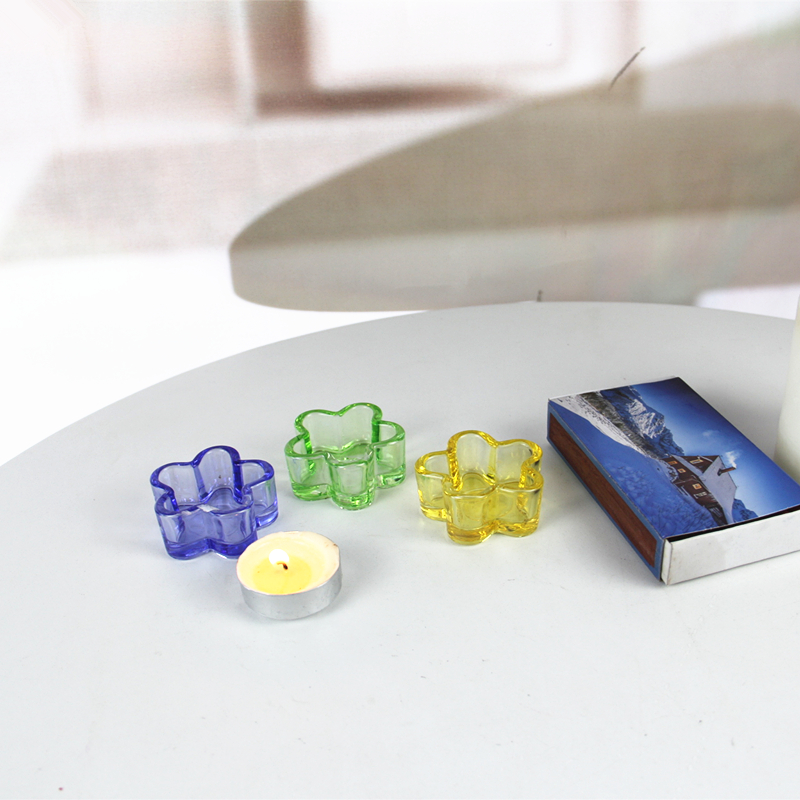
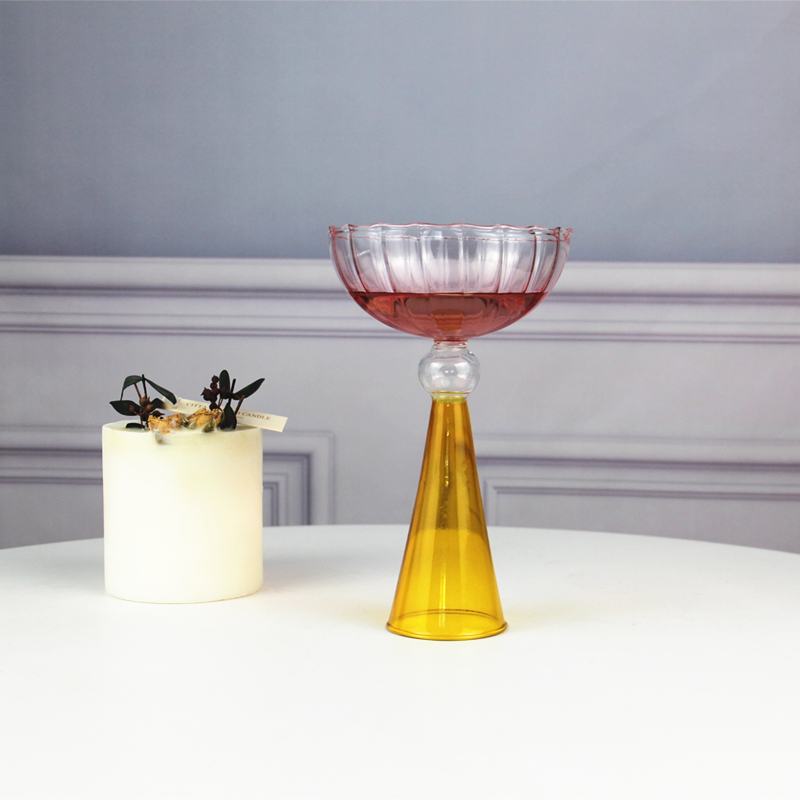
The flow glaze effect is particularly suitable for decorative glassware, vases, art pieces, and gifts. It adds a layer of uniqueness and flair, making the items stand out in any setting.
发邮件给该供应商
电话: 029-88353304
手机: +8618602910527
邮箱: jarek@freewayglass.com地址: ROOM 11204,JIUZUO HUAYUAN No.202. ER HUAN NAN XIDUAN ROAD, Xian, Shaanxi
隐私声明:您的隐私对我们非常重要。我公司承诺未经您的明确许可,不会向任何外部公司披露您的个人信息。

填写更多信息,以便我们更快与您取得联系
隐私声明:您的隐私对我们非常重要。我公司承诺未经您的明确许可,不会向任何外部公司披露您的个人信息。