

Please Leave Us A Message
Privacy statement: Your privacy is very important to Us. Our company promises not to disclose your personal information to any external company with out your explicit permission.
Liuli is a type of glass, made by adding "glass stone" to "glass mother" and firing it. Common varieties include handmade
glass and lost-wax glass. Its colors are vibrant and magnificent, and its quality is crystal clear and dazzling. It is considered
the first of China's five famous instruments and one of the seven treasures of Buddhism, and has a history of over 2,000 years.
If you've ever witnessed the production of Liuli, you'll be deeply captivated: it's the breath of glass, not the work of an assembly
line, but the tacit understanding between fire and hands. Each piece of glass undergoes a thousand-degree heat, is stretched,
blown, and cut, then solidifies in a gentle embrace. The curved lines you see aren't cold objects, but souls shaped piece by piece
by artisans. There's no dialogue, no explanation, only a dialogue between glass and time. They don't just replicate tradition; they
can create regal chandeliers and bring minimalist poetry to modern homes!
When talking about Liuli, one can't help but mention Boshan in Zibo. Boshan is the birthplace of Chinese colored glaze culture
and is recognized by the science and technology history community as the "colored glaze manufacturing center of the Ming and
Qing Dynasties." The earliest existing ancient colored glaze furnace site in China was discovered there, China's earliest and only
furnace temple was born, the first ancient Chinese colored glaze monograph was written, and China's first colored glaze museum
was built. Since ancient times, it has been known as "Look at China for the world's colored glaze, and look at Boshan for China's
colored glaze." The profound cultural heritage has laid a good foundation for the sustainable development and innovation of
Boshan's colored glaze industry.
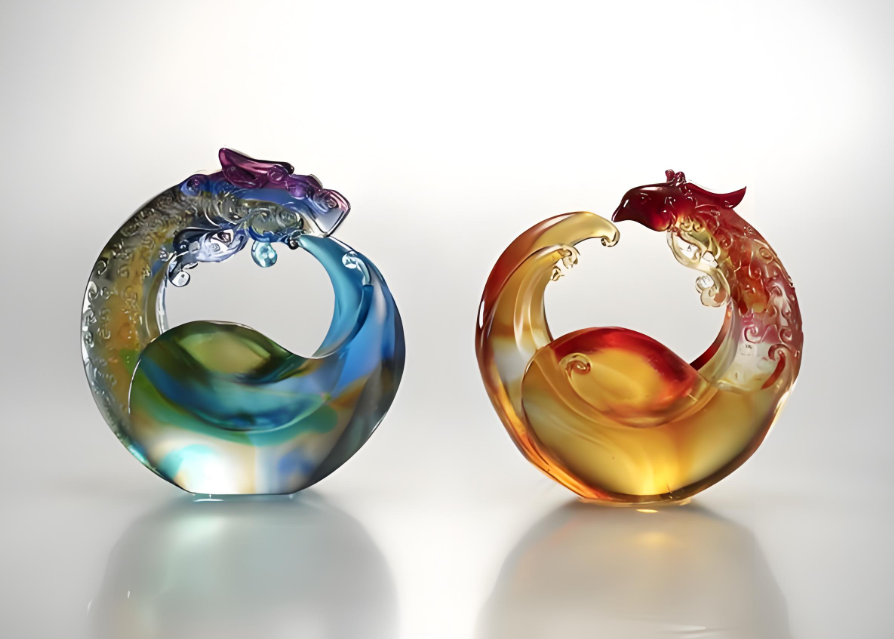
Colored Glass Varieties:
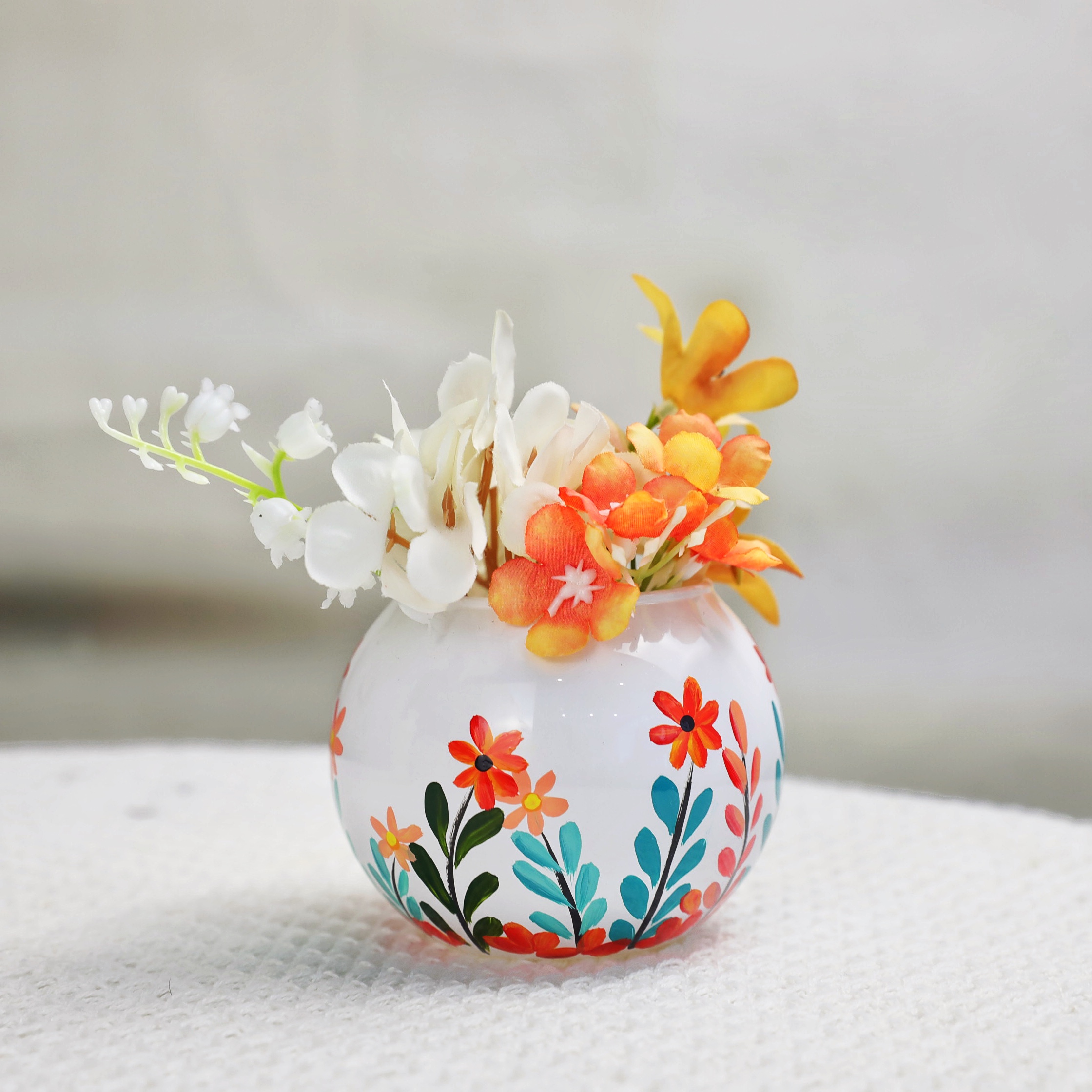
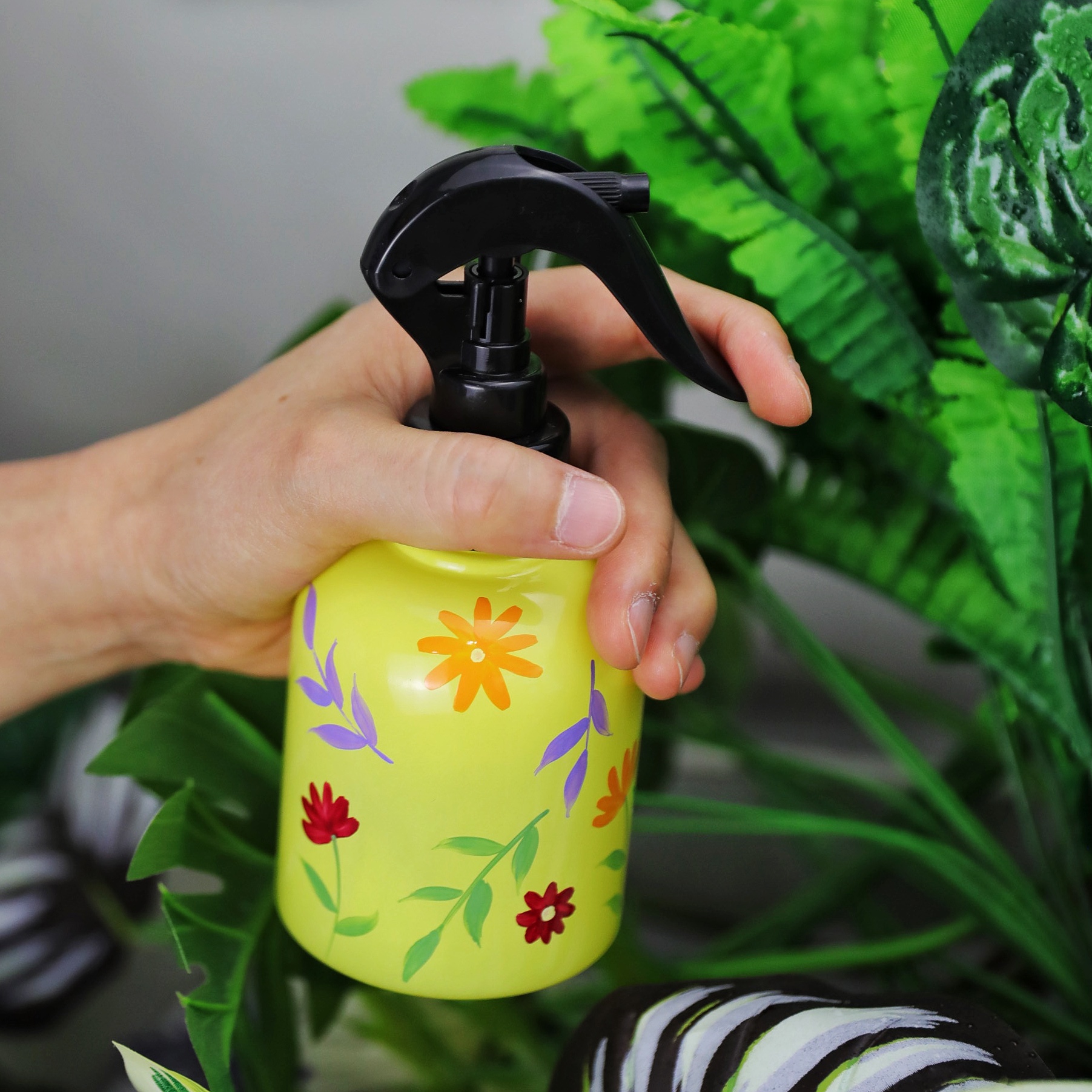
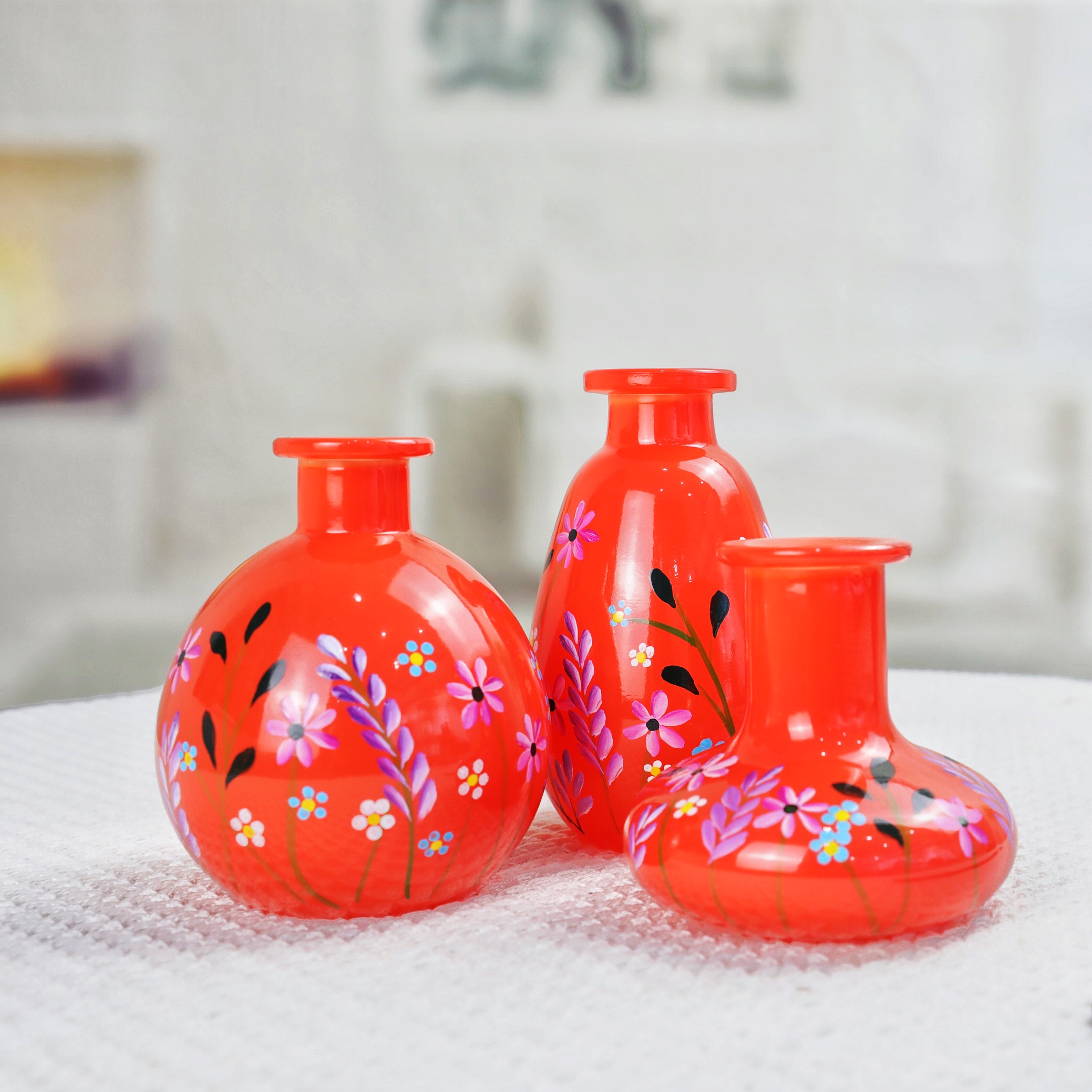
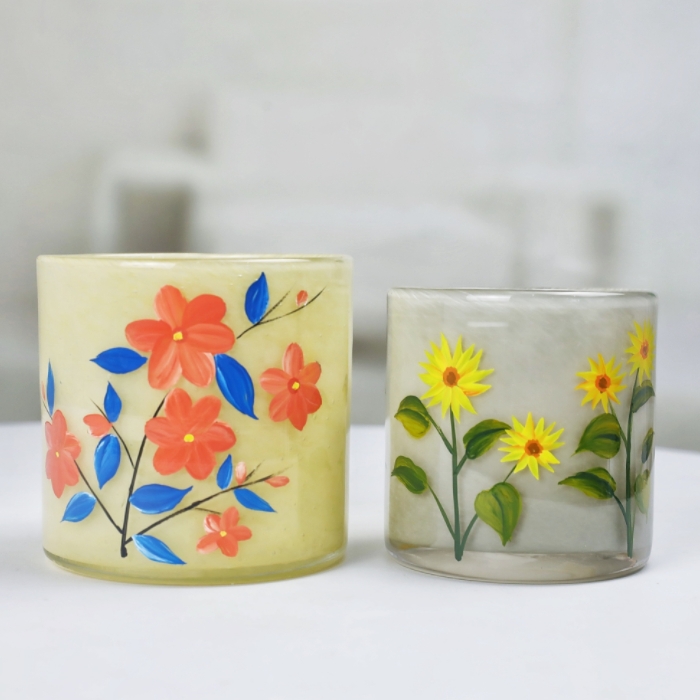
A rich assortment of glass is available, encompassing five major categories: thermoforming, lampwork, lost wax, carving, and
interior painting.
There are nearly a thousand varieties and tens of thousands of colors. Precious materials such as chicken-oil yellow, chicken-liver stone, golden red, and turquoise green are renowned both domestically and internationally.
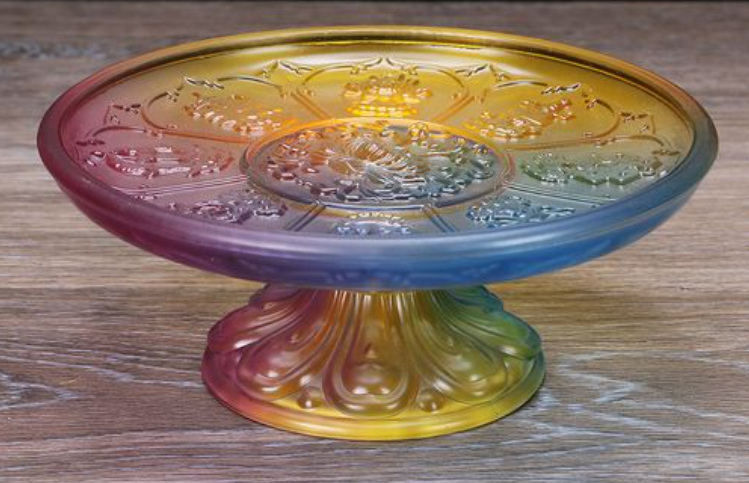
Characteristics of the Liuli production process:
1. Lengthy production process: From conception and design, sculpting, firing, fine-tuning, and polishing to the finished piece,
it requires 47 meticulously detailed manual steps.
2. Handcrafted: Workers must master exquisite techniques to operate. Each process involves its own unique variables and
requires repeated experimentation. No two pieces are alike, making the production process extremely challenging.
3. One mold, one product: A mold can only produce one piece and cannot be reused. Large and complex pieces may even
require multiple mold openings and firings. This low success rate makes the pieces even more valuable.
4. High-temperature firing: Selected raw materials are melted at temperatures exceeding 1400°C to form various colored
crystal glass. After multiple rounds of cleaning, they are placed in molds according to the material ratio required for the piece.
A strict heating and cooling curve is established, and the furnace temperature is controlled within 1000°C ± 5°C to ensure
that the crystal material is precisely processed to every detail. This ensures the work is exquisitely crafted, three-dimensional,
realistic, streamlined, and clear.
5. The colors within the glass are created by high-temperature sintering of various metal oxides, preventing fading, oxidation,
or other aging effects.
6. Bubbles in the Glass: Glass works should possess artistic vitality. The presence of bubbles within the work allows for
greater imagination and aura. Bubbles are the breath of the glass, a common understanding within the glass art community.
[Note: To care for glass: Avoid collision or friction with hard objects, as well as contact with sulfur, chlorine, and other gases.
Keep the glass at room temperature and wipe with purified water. If using tap water, allow it to sit for at least 12 hours before
wiping. Maintain the glass's glossy surface and keep it clean. Avoid contamination with oil stains or foreign matter.]
Liuli, "using fire as a brush and material as ink," is a millennium-old intangible cultural heritage craft, kept alive by the kiln fires of a thousand years.
In modern society, Liuli artisans, filled with reverence for traditional cultural skills, inherit historical techniques and culture while pioneering and forging ahead. They use the Oriental refinement, delicacy, and subtlety to blend thought and emotion with art, continuously offering exquisite works to meet people's demand for beauty!

2025-05-28 11:07:00
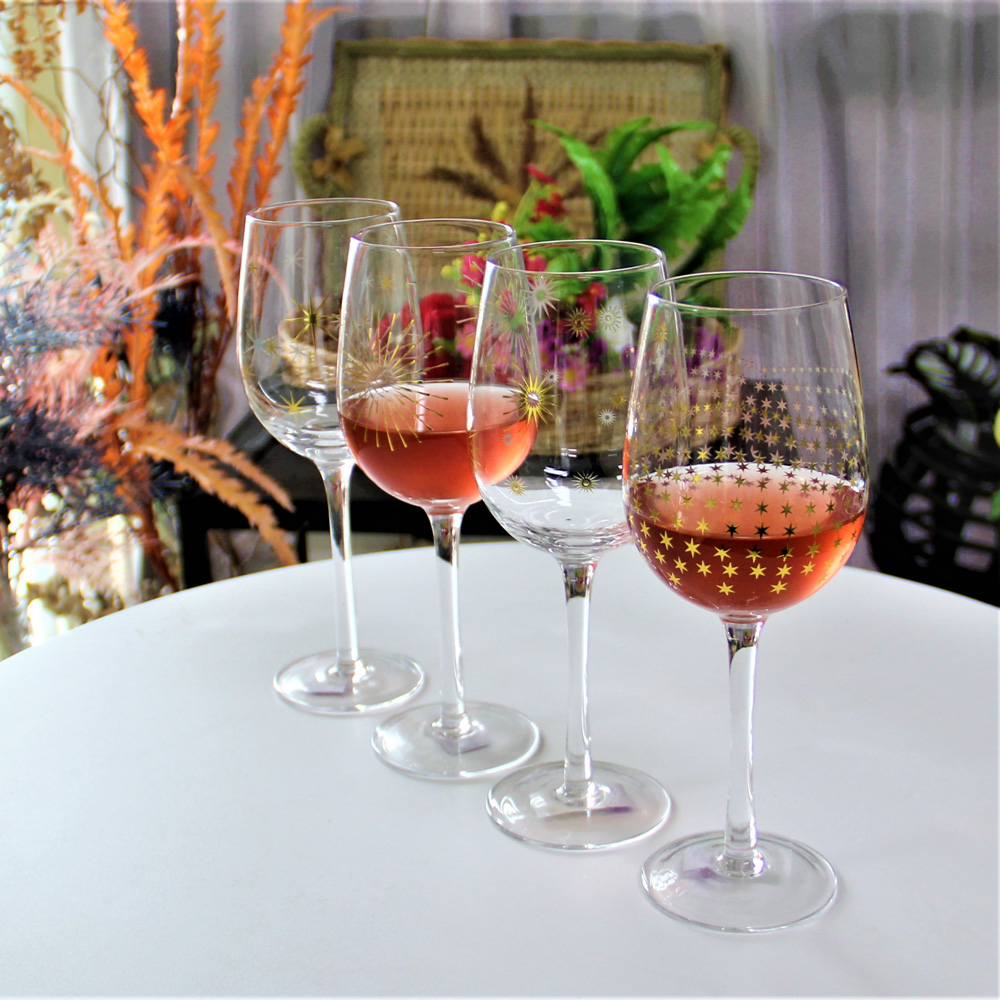
Lead-Free Crystal Goblet with Etched Design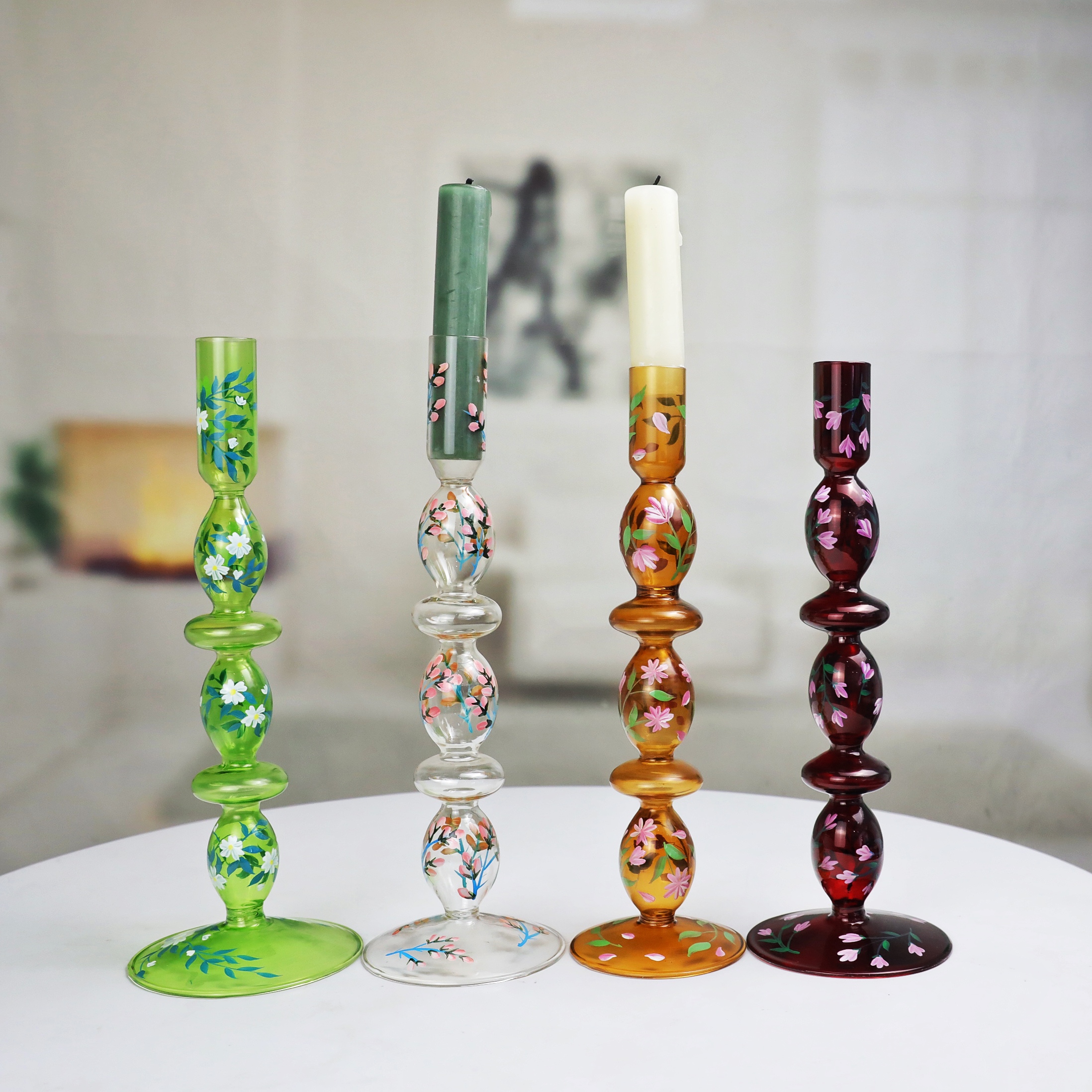
2025-05-27 13:57:19
Christmas Glass Candle Holders ZT699In the Maison & Objet theme "Past Reveals Future" in January 2026, "Neo Folklore" became one of the important highlights. MC&Co Trend provides trend interpretation for M&O. This Australian design studio founded by Michael Cleghorn and Steve Worthy has constructed six....
The key home icon designs for Valentine's Day, Mother's Day and Easter in Spring/Summer 2027 in Europe and America are centered on "home-like festival emotions and lightweight traditional symbols", deeply focusing on the family's demand for "coexistence of ritual and pract....
KiK was founded in 1994 and is a leading discount chain brand of affordable clothing and daily necessities in Germany.KiK mainly sells men's and women's clothing, home goods and sundries. It has over 4,000 stores in Europe and offers online shopping services through its official website. It....
Whether it's opening a chilled lager to cool off in the height of summer or savoring a craft malt beer in a tavern, I'm sure that when you think about your next beer time, the first thing that comes to mind is that clear glassy luster.So let's explore together the mystery behind why beer....
Email to this supplier
Tel: 029-88353304
Mobile Phone: +8618602910527
Email: jarek@freewayglass.comAddress: ROOM 11204,JIUZUO HUAYUAN No.202. ER HUAN NAN XIDUAN ROAD, Xian, Shaanxi
Website: https://www.fw-deco.com/


Privacy statement: Your privacy is very important to Us. Our company promises not to disclose your personal information to any external company with out your explicit permission.

Fill in more information so that we can get in touch with you faster
Privacy statement: Your privacy is very important to Us. Our company promises not to disclose your personal information to any external company with out your explicit permission.